
Looking for something?
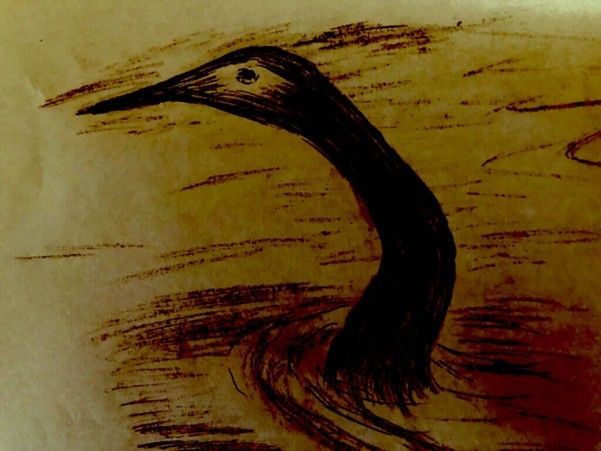
Snakebird and Mysterious Waugal Sightings 2022
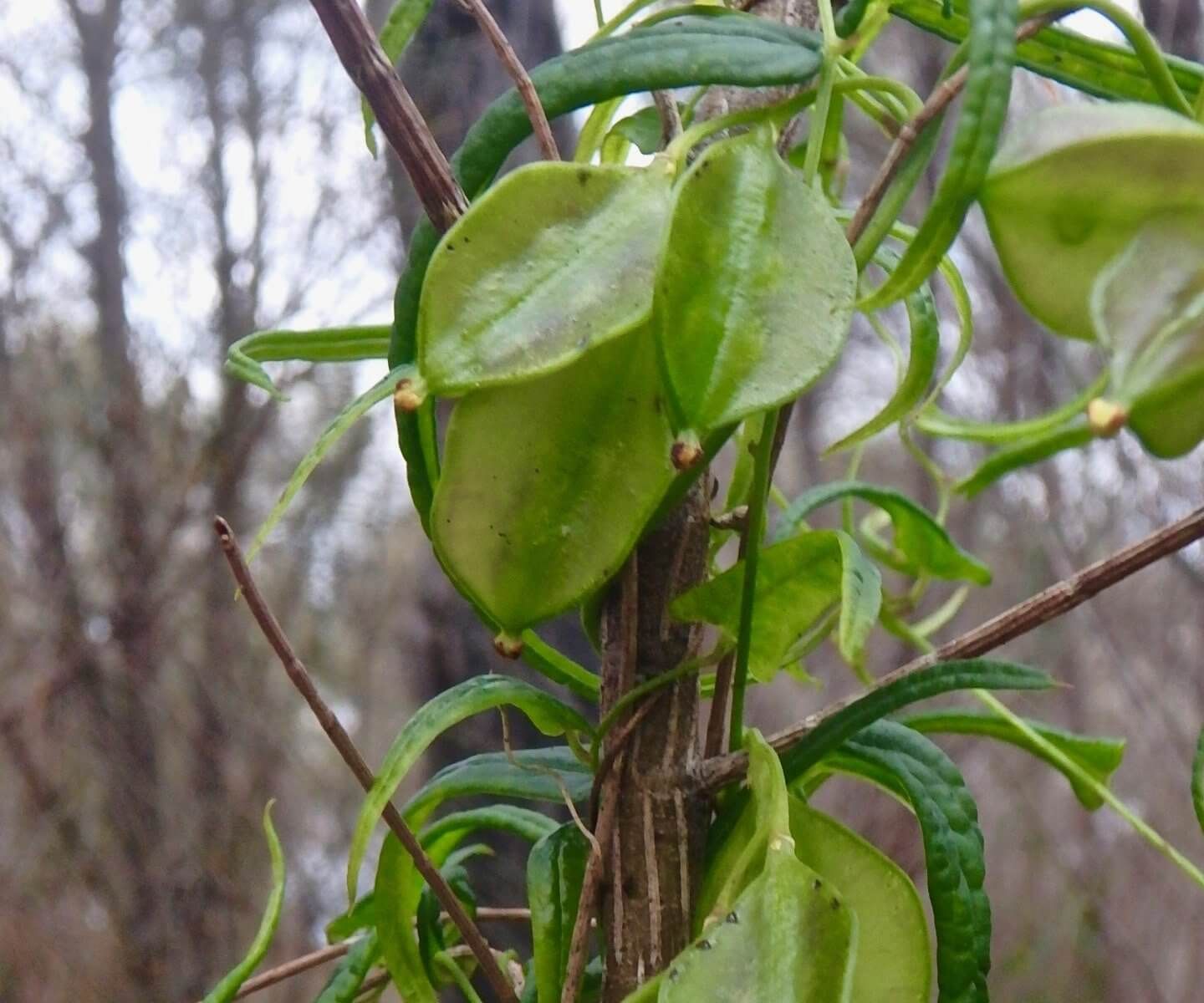
Yam Lands: the Mystery of a Holey Landscape
Prepared by Ken Macintyre and Barb Dobson Research anthropologists
The Science of Dark and Light Seasons in Nyungar Culture
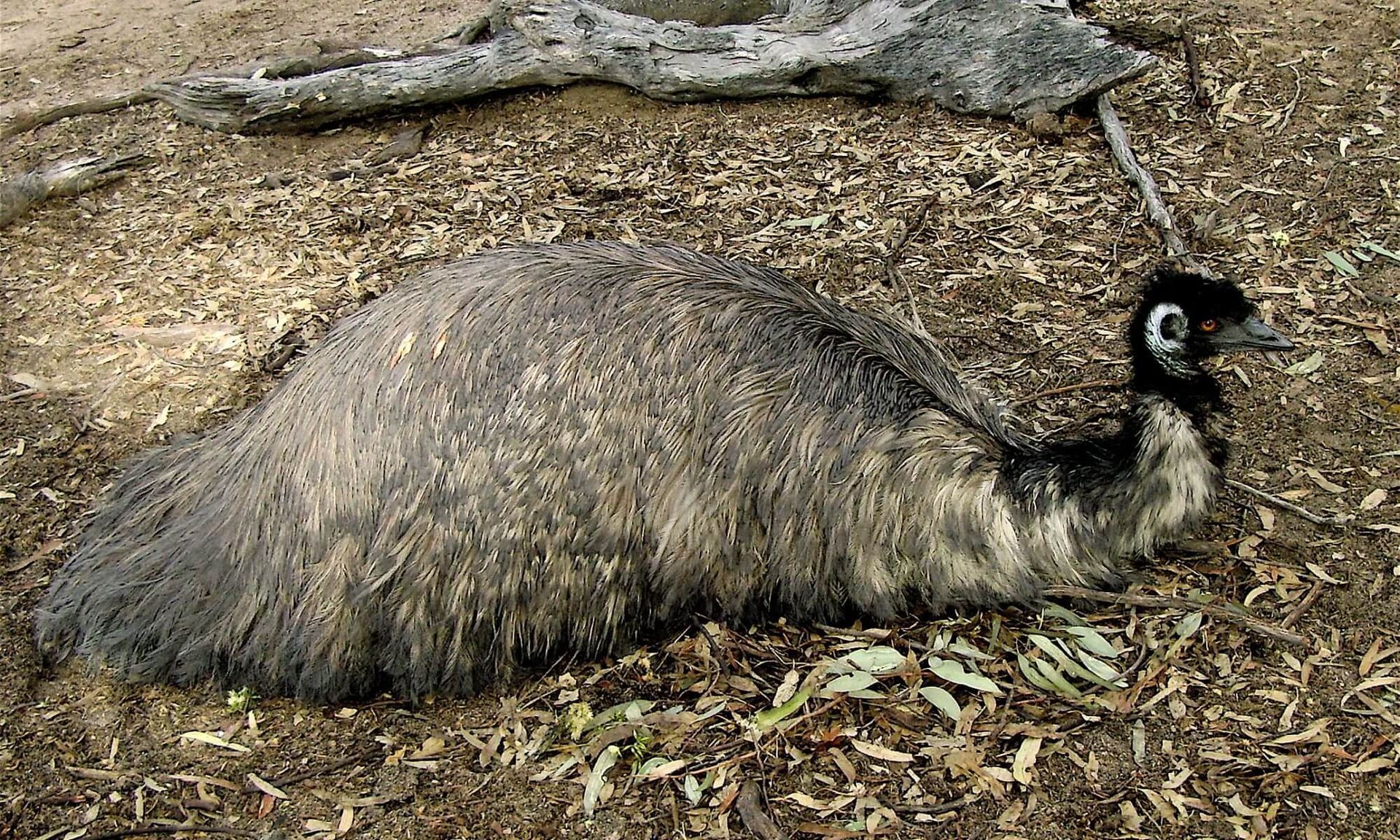
For over 50,000 years the Noongar people of southwestern Australia possessed a complex scientific understanding of the natural world. They were familiar with the phenological breeding cycles and feeding habits of animals, birds, plants, reptiles and fish on which they depended for food. They were probably the world’s first astronomers in that they relied on the recurring dark and light constellations in the night sky to reckon time and seasonality. The dark constellation known as the “Emu in the sky” was a highly dependable and seasonally accurate astronomical indicator used by the Noongar to signify the commencement of the “dark season” of winter (makuru, maggoro, mokker). The breeding phenology of the totemic emu accurately defined the mating, egg-laying/incubating and chick hatching season. These cycles were understood by the appearance and position of the ‘dark emu in the sky,’ generally visible from late April through to August/September, which uncannily reflected what was happening on land at the same time. Indigenous people did not survive in Australia’s harsh environment on the whims of nature but relied on a cumulative body of scientific knowledge passed down from generation to generation over many thousands of years. It was this knowledge that enabled them to manage their animal and plant resources in such a way as to provide a predictable and reliable source of food for their survival. We have always believed that indigenous science should be part of the primary and secondary school science curriculum. Indigenous science is based on observation, empiricism and practical application and has been tried and tested over thousands of years. Without this scientific knowledge, Aboriginal people could not have survived to be the longest continuous living culture in the world. We believe that this aspect of indigenous culture should be strongly promoted in schools and that the Western Australian government should contribute funding to this purpose.
Prepared by Ken Macintyre and Barb Dobson Research anthropologists
Prepared by Ken Macintyre and Barb Dobson Research anthropologists

As the natural production of Acacia gum can be highly variable depending on climatic conditions and insect predation, we never doubted that indigenous people in southwestern Australia would have artificially wounded gum-producing Acacia to ensure a dependable supply during the gum (“galyang”) season in late spring/ early summer as this was an important food, food additive (bulking agent) and medicine. We wonder why, when gum Arabic was such a commercially profitable business in the early days of the Swan River colony, a scientist like Drummond who was heavily involved in promoting the local gum trade did not investigate the indigenous means of producing and procuring wattle gum? It is well documented that human agency was and still is involved in accelerating the production of gum resin (gum Arabic) for commercial and subsistence purposes in Africa. We conducted an experiment at our Toodyay property to test the possibility of producing a dependable quantity of gum exudate by artificially wounding the trunks of several young Acacia microbotrya. Experiment Our aim was to test whether it was possible to produce a gum exudate from Acacia microbotrya by inflicting a minor wound to the upper part of the tree trunk. Small incisions were made (see Figures 1 & 2) using a pocket knife into the upper part of the trunks of 4 young Acacia microbotrya trees. incisions into the trunks were made on Thursday 26th October 2017 These 4 test trees were re-examined on Monday 13th November 2017.